My love of the outdoors started with hunting weekends. There was something exciting about getting out of town, heading into the woods, and spending time outdoors. Growing up, my parents would often find themselves negotiating family events around deer season. Let's just say my mom has never been a big fan of hunting! She loves the family time and traditions that come with it, just not necessarily the hunting itself. It's something we've teased her about over the years, and thankfully, she's always been a good sport about it.
Fortunately, I married someone who shares my love of hunting. Over the years, I've experienced firsthand the benefits of having an outdoor passion we enjoy together. The hours we spend hunting give us an opportunity to slow down and be fully present with each other. There are no phones, no endless to-do lists, and no distractions—just the two of us, a shared goal, and plenty of quiet time together.
If your relationship has started to feel caught up in the routine of work, family responsibilities, and screen time, shared outdoor adventures may offer a meaningful way to reconnect. In this post, we'll explore why hunting together can strengthen a relationship, the communication and relationship skills it can build, how to keep hunting season from becoming a source of marital tension, and when couples therapy might offer additional support.
Whether you've hunted for decades or have never held a bow or rifle, you don't have to be an experienced outdoorsman to enjoy the benefits. The goal isn't necessarily to become hunters; it's to find something outdoors that you both enjoy. Sometimes, the best way to reconnect with each other is to step away from the everyday distractions and spend a little time together outside.
Why Shared Outdoor Adventures Strengthen Relationships
Couples therapists often encourage couples to try new, shared activities because doing something together builds connection faster than talking about connection does. Outdoor activities work especially well for couples, and hunting adds three ingredients that are hard to find elsewhere.
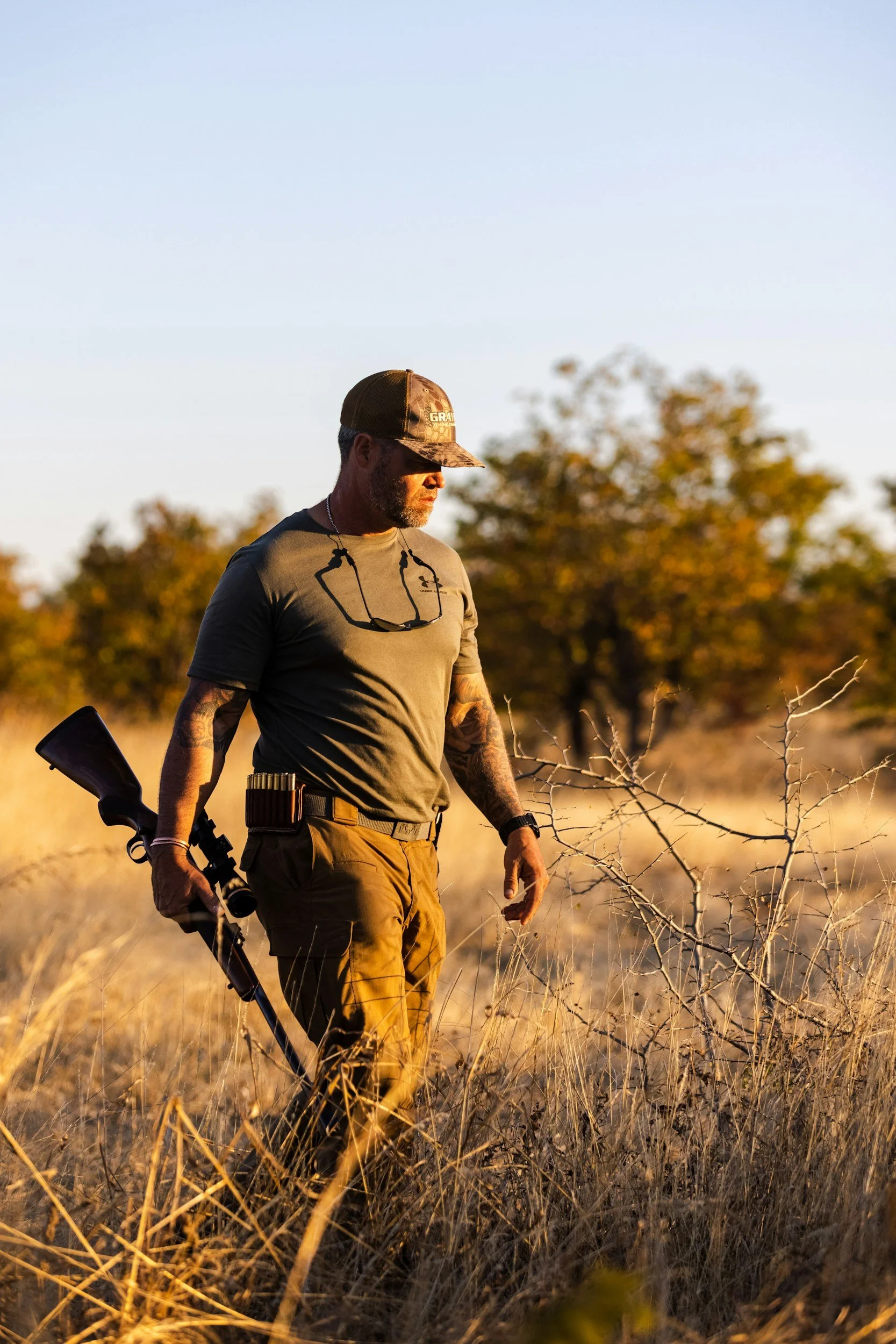
Hunting
Unplugged time. Cell service is often spotty, and the setting rewards quiet, so you focus on your partner and your surroundings instead of a screen.
A shared goal. You work toward the same outcome, shifting the dynamic from "you versus me" to "us versus the challenge."
Interdependence. Scouting, packing, tracking, and the work afterward all go better when you rely on each other.
These are the same conditions that help a relationship feel like a partnership rather than a logistics arrangement.
5 Relationship Skills Hunting Builds
The habits that make a good hunting partner are the same habits that make a strong relationship.
1. Patience
Hunting means waiting, often for hours and sometimes for nothing. Learning to sit comfortably within that stillness together trains you to slow down and stop rushing every conversation toward a conclusion.
2. Listening and quiet communication
In the field, you communicate with hand signals, whispers, and mutual glances. That forces you to notice your partner's cues, a skill many couples lose in daily life. Good communication in marriage is often less about saying more and more about noticing more.
3. Teamwork
Planning a hunt means dividing roles: who scouts, who carries what, who handles the pack-out. Agreeing on a plan and trusting each other to follow through is practice for the way you share household and family responsibilities.
4. Trust
When you depend on your partner for safety, navigation, or a steady shot, trust becomes concrete. Small moments of reliance build confidence that your partner has your back.
5. Presence
The outdoors rewards attention. Noticing the light, the wind, and the sounds around you trains the same awareness you need to notice your partner's mood at home.
When Hunting Season Strains a Relationship
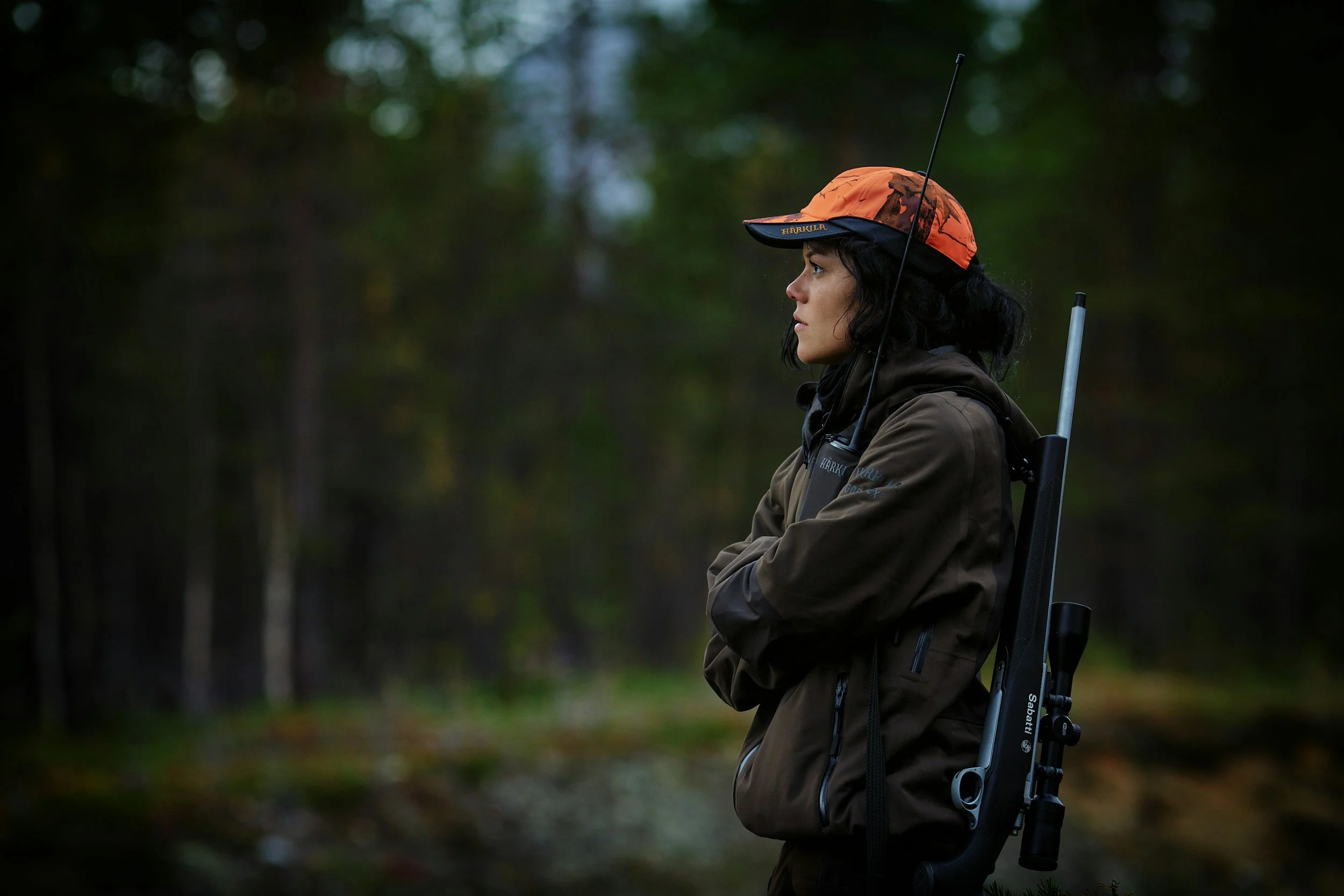
Hunting season and marriage don't always mix easily. If one partner hunts and the other doesn't, the season can feel like a recurring absence. The most common friction points have practical fixes.
The pattern behind most of these is the same: problems grow when expectations stay unspoken. A short conversation before the season starts can prevent most arguments during it.
Tips for Couples New to Hunting Together
Start small. Try a half-day hunt or a scouting trip before committing to a long weekend.
Take a hunter education course together. Learning side by side puts you on equal footing, no matter your experience level.
Set expectations first. Talk through roles, comfort levels, and what counts as a good day, whether or not you harvest anything.
Let the experienced partner teach, not take over. Patience and encouragement matter more than efficiency.
Put safety first. Review firearm or bow safety, state regulations, and a communication plan every time.
Make it about the time, not the trophy. The goal is connection, so celebrate the still moments, the coffee, and the sunrise.
Debrief afterward. Over dinner, share what you each enjoyed and what you would change next time.
When to Consider Couples Therapy
Mutual adventures can strengthen a good relationship, but they can't fix deeper problems on their own. Consider couples therapy if you notice any of these:
The same argument keeps coming back, whether it is about hunting, money, or time.
One or both of you feel lonely even when you are together.
Conversations quickly turn defensive or shut down.
Trust has been damaged, and you don't know how to rebuild it.
You are drifting apart and can't name why

Couples Therapy
A couples therapist gives you a neutral space and practical tools to communicate better, resolve conflict, and rebuild closeness. Many couples find that therapy and shared activities work best together: therapy builds the skills, and time outdoors is where you practice them.
If you're ready to strengthen your relationship, Individual and Couples Therapy of Texas offers couples therapy in League City, Texas, in person or online.
Frequently Asked Questions
Can hunting really improve a relationship?
Yes, when it is shared. Hunting together builds patience, communication, trust, and teamwork, and it gives couples uninterrupted time together.
What if only one of us hunts?
Talk openly about expectations, keep the season on a shared calendar, and find another outdoor activity you can both enjoy, such as hiking, fishing, or camping.
Is hunting a good date idea for couples?
It can be, especially if it's a low-pressure outing like a scouting trip, a sunrise sit, or a hunter education class you take together.
How do we keep hunting season from causing arguments?
Plan. Agree on time away, budget, and household responsibilities before the season starts, and check in regularly.
Final Thoughts
Hunting isn't for everyone, and connecting outdoors doesn't have to look the same for every couple. It might mean hiking, birdwatching, camping, fishing, or simply taking a walk together. What matters is finding something outdoors that you both enjoy and making time to experience it together. These shared moments won't replace honest conversation, but they can create the space for it through quiet moments, shared effort, and undivided attention. Sometimes reconnecting begins with simply slowing down and enjoying each other's company. If spending time outdoors helps you reconnect, make room for it this season. And if you need additional support along the way, couples therapy can help turn those moments of connection into lasting change.